
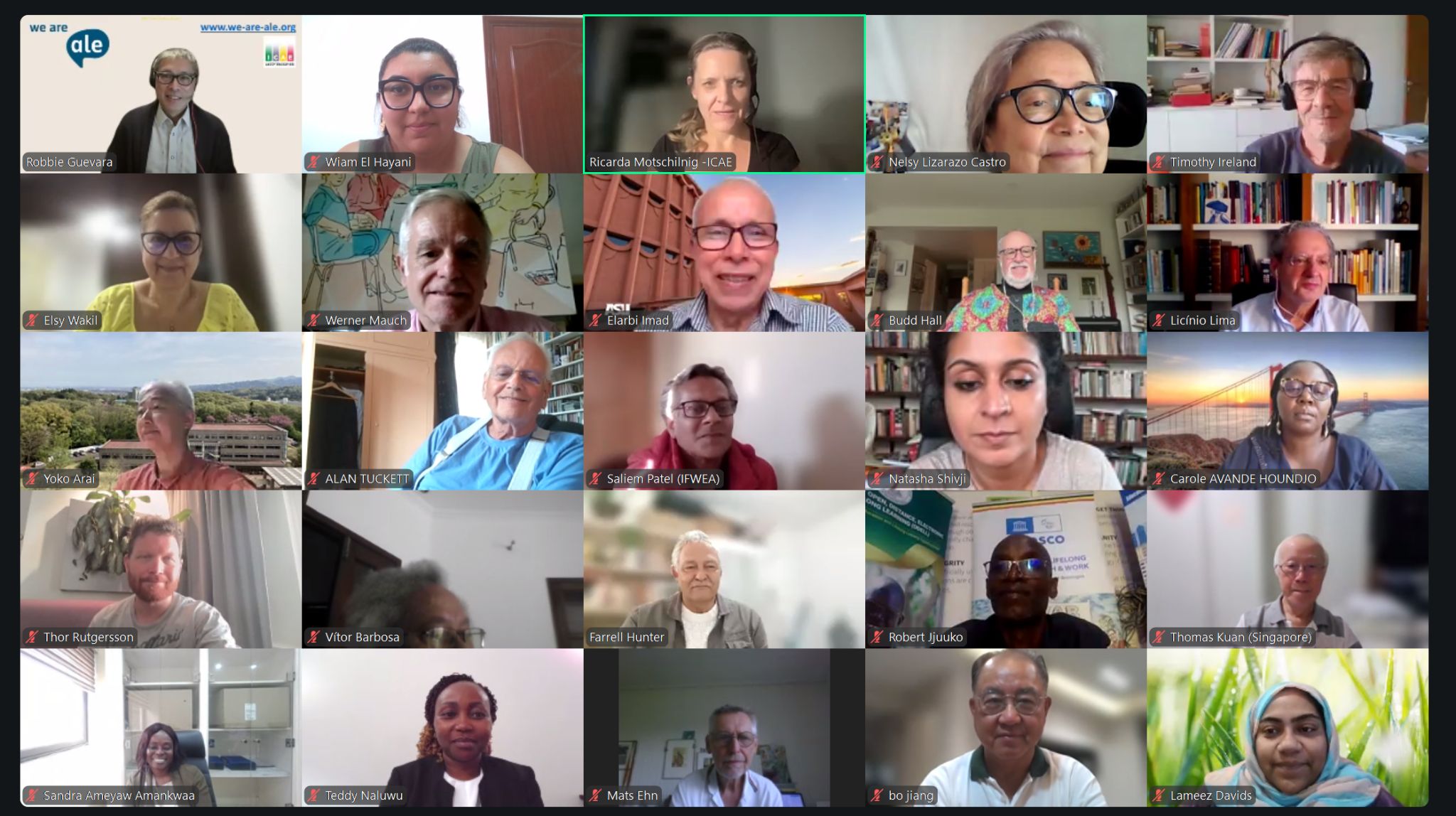
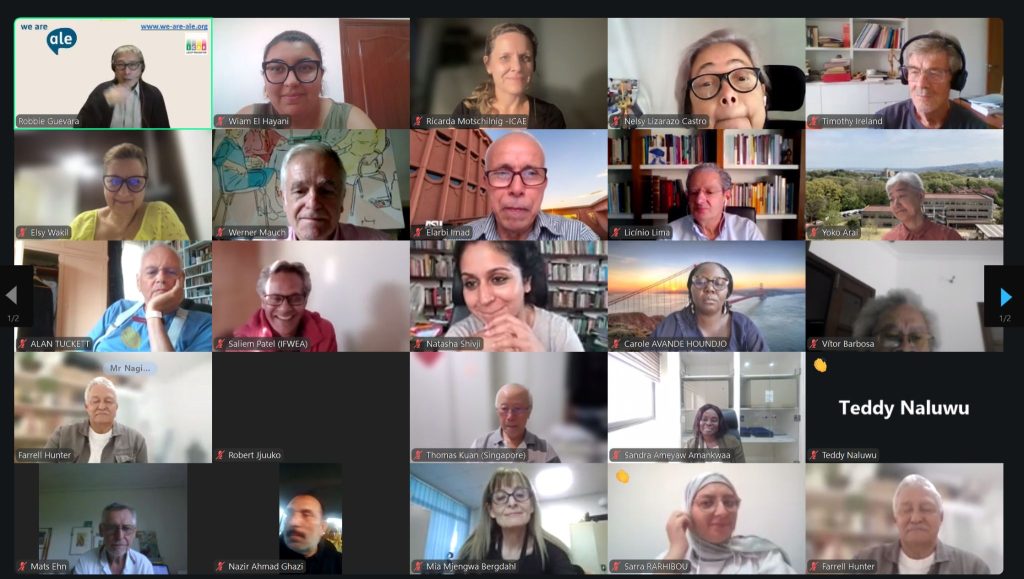
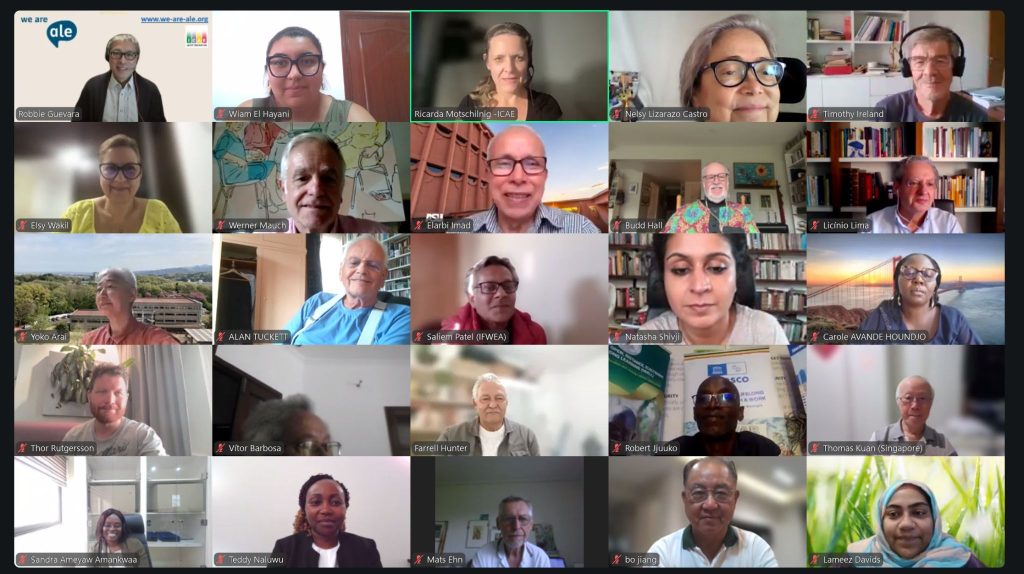
On 30 June 2026, the International Council for Adult Education (ICAE), in collaboration with the African Foundation for Lifelong Learning (AF3L), brought together members, partners, former and current leaders, and friends from across the world for an online celebration of the 50th anniversary of ICAE’s First World Assembly, held in Tanzania in 1976.
Under the title “Looking Back to Move Forward: How Julius Nyerere’s philosophy continues to inform our Adult Learning and Education Praxis,” the webinar offered a moment of collective remembrance, critical reflection, and renewed commitment to adult learning and education as a force for social transformation, democratic participation, and justice.
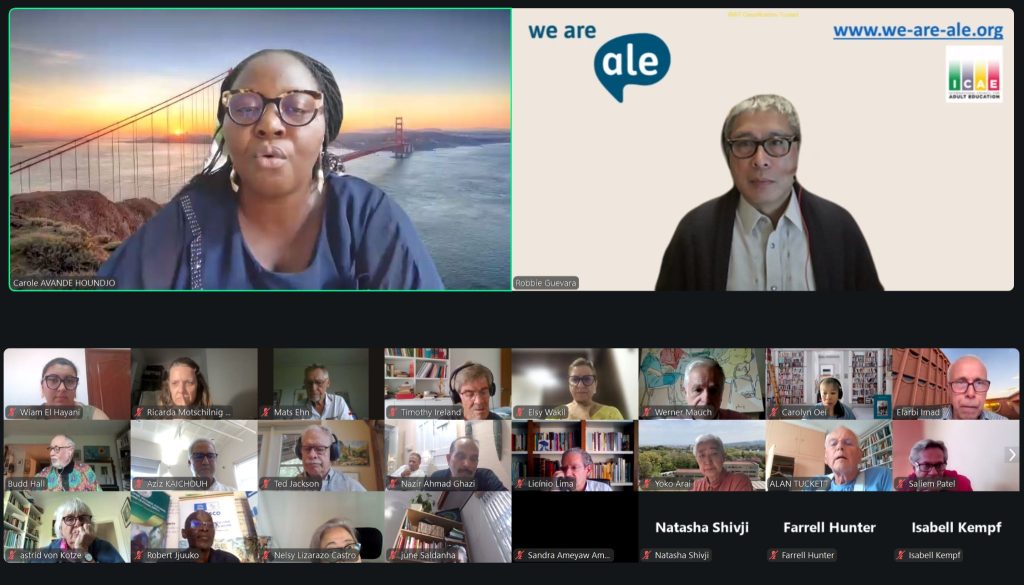
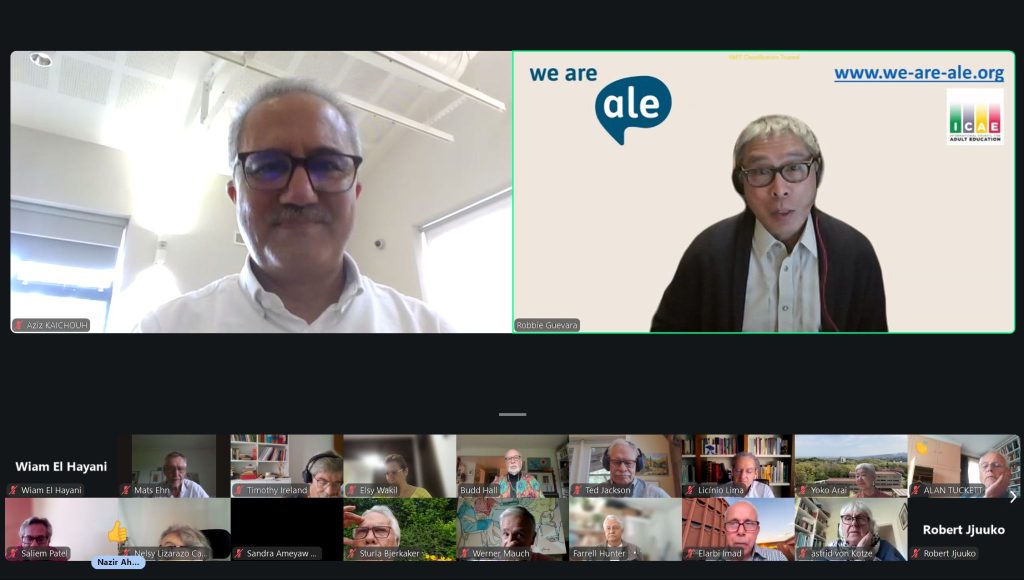
The session opened with words of welcome from Carole Houndjo, ICAE Vice President for Africa, who highlighted the significance of celebrating this important milestone on the African continent, where ICAE’s global journey began. Dr Aziz Kaichouh, President of the African Foundation for Lifelong Learning, congratulated ICAE on its 50th anniversary and underlined the continued importance of adult education as a basic human right and a driver of social change. He also emphasized AF3L’s commitment to strengthening the capacities of African adult education organisations, promoting the recognition of non-formal and informal learning, and building strong continental and international partnerships.
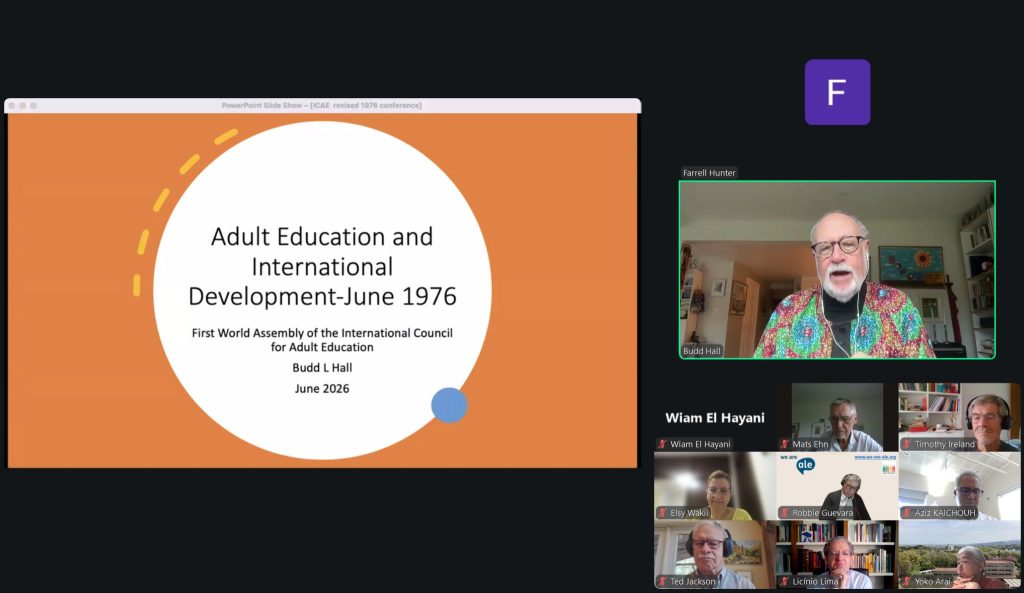
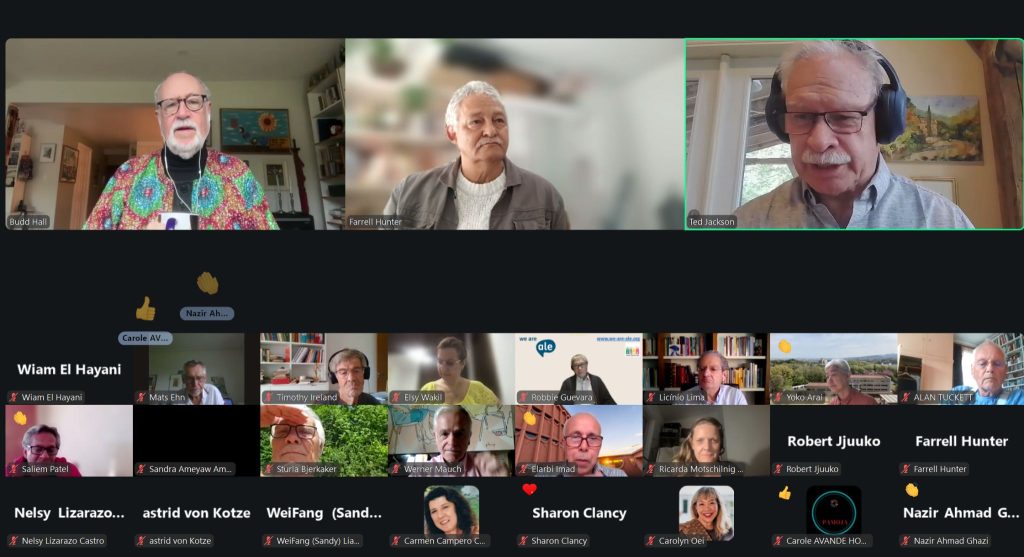
Farrell Hunter, ICAE Interim Secretary General, guided participants through the programme and introduced the historical reflections by Prof. Emeritus Budd Hall, ICAE’s Secretary General from 1979-1991, and Dr Edward Jackson. Their contributions took participants back to the 1976 International Conference on Adult Education and International Development in Dar es Salaam, Tanzania — a gathering that played a decisive role in shaping ICAE’s identity and global presence.
Budd Hall recalled the political, intellectual, and educational significance of the 1976 conference, which brought together participants from across the world, with strong representation from the Global South. He reflected on the presence and influence of key figures such as Julius Nyerere and Paulo Freire, and on the conference’s ambitious Design for Action, a five-year plan that addressed adult education in relation to development, participation, justice, and democratic transformation. The issues raised at that time, he noted, remain strikingly relevant today.
Ted Jackson shared personal reflections on the conference as a formative moment in his own life and in the wider progressive adult education movement. He described Paulo Freire’s influence as a guiding reference point over the past five decades and stressed the continuing importance of enabling people to be subjects, rather than objects, of their own history. Looking at today’s global challenges, he called for renewed coalitions between civil society, Indigenous organisations, social movements, and progressive states to respond to democratic erosion, inequality, and global disorder.
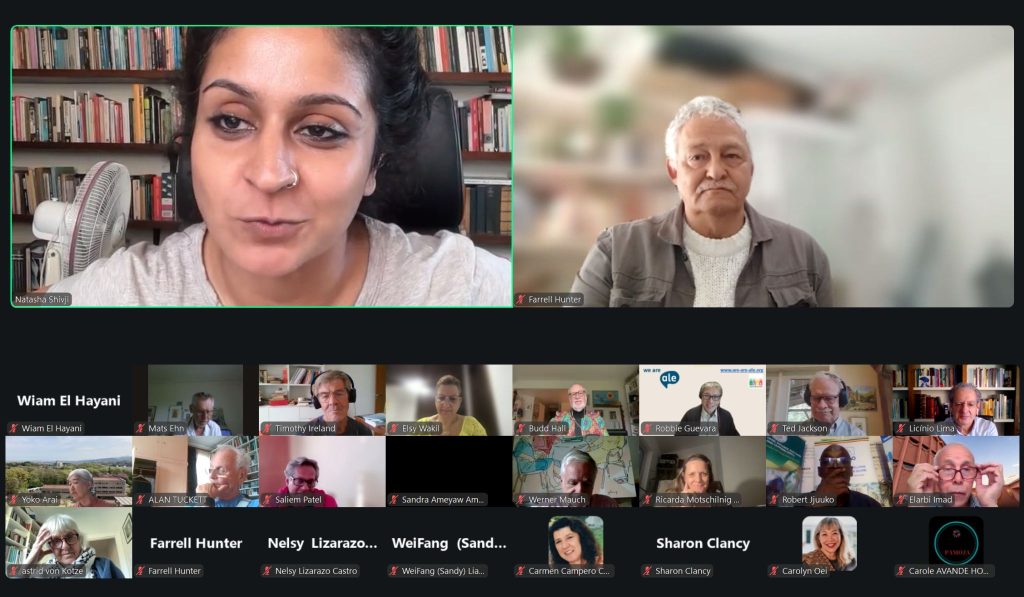
A central contribution came from Dr Natasha Shivji, a Tanzanian scholar from the Department of History at the University of Cape Town. She offered a rich historical analysis of adult education in post-colonial Tanzania, focusing on Julius Nyerere’s vision of education as central to nation-building, citizenship, and collective development. Her presentation explored the tensions between state-led development and grassroots democratic movements, and showed how Freirean pedagogical approaches were initially embraced but later became increasingly constrained in practice. She also reflected on how structural adjustment policies in the 1980s shifted education away from collective and state-supported approaches towards more fragmented and individualised forms aligned with neoliberal politics.
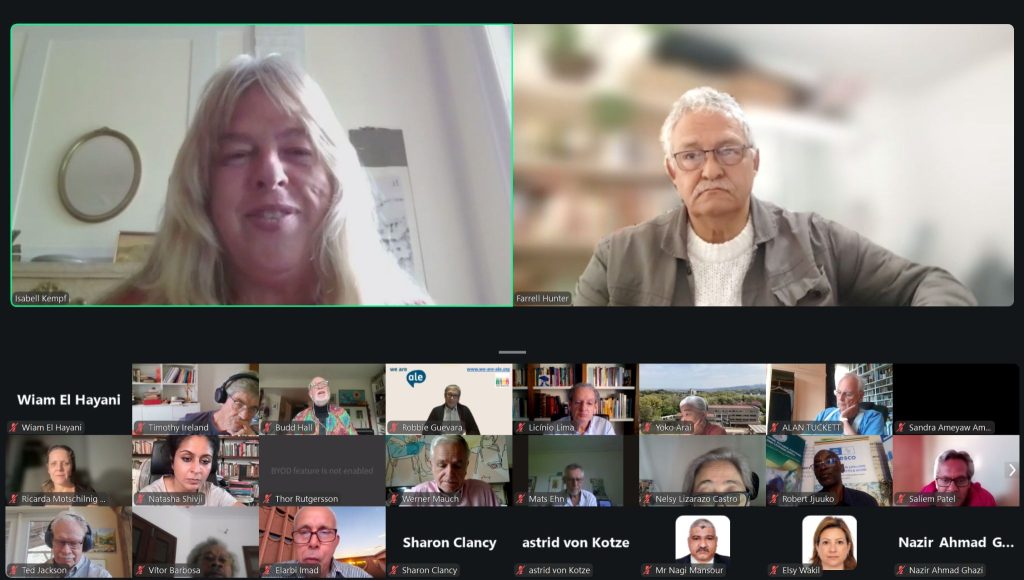
The webinar then turned to contemporary challenges and future directions for adult learning and education. Isabell Kempf, Director of the UNESCO Institute for Lifelong Learning, reflected on the continued importance of adult education in a world marked by rapid technological transformation, artificial intelligence, climate change, democratic polarisation, and growing inequalities. She emphasized that the founding principles of ICAE remain relevant today, particularly the commitment to education as a public good, a democratic practice, and a means of enabling people and communities to shape their own futures.
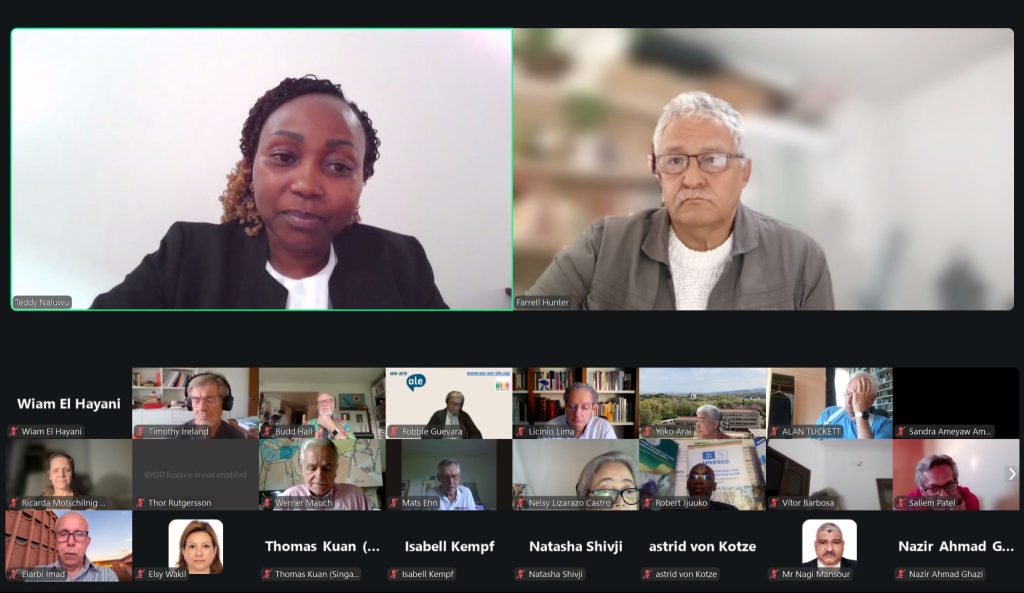
Teddy Naluwu, UNBOUND National Coordinator in Uganda, brought the discussion into the present through practical examples of how adult education empowers young people to participate actively in nation-building. Drawing on experiences from Uganda, she highlighted the importance of civic literacy, electoral literacy, governance literacy, and youth engagement as essential dimensions of adult learning and education. Her contribution showed how the values discussed throughout the webinar continue to be lived and renewed in community-based practice today.
In his closing reflections, ICAE President Dr Jose Roberto “Robbie” Guevara acknowledged the historical depth of the discussions and invited participants to carry forward the lessons of the past 50 years. The webinar reaffirmed that adult learning and education is not only about skills or programmes, but about democracy, dignity, collective agency, and the possibility of social transformation.
The 50th anniversary celebration was also an important moment in strengthening the collaboration between ICAE and the African Foundation for Lifelong Learning. The partnership points towards future cooperation in capacity building, policy support, research, and advocacy, particularly in response to current challenges facing adult education organisations, communities, and learners across Africa and beyond.
Looking back to ICAE’s first World Assembly in Tanzania was therefore not only an act of remembrance. It was also a call to move forward collectively: to defend adult education as a human right, to strengthen civil society engagement, to advocate for public policies that support adult literacy and lifelong learning, and to renew ICAE’s founding commitment to education for liberation, participation, and justice.
ICAE warmly thanks all speakers, participants, members, partners, interpreters, and organisers who contributed to this meaningful anniversary celebration.
You can watch the recording HERE: https://us02web.zoom.us/rec/play/g3cgd5Ro8tVf3sDeXMOIinF0LrJj_0QtyUGufc2ctAsNQr_lg6E-2KNdywuCrj-dFSm6C14NTBzY9a6k.BZARuGU7RSwMz7Qa
Passcode: BfGW!8L!
Photos by Elarbi Imad, ICAE Vice President for Arab Region:
DOCUMENTS: